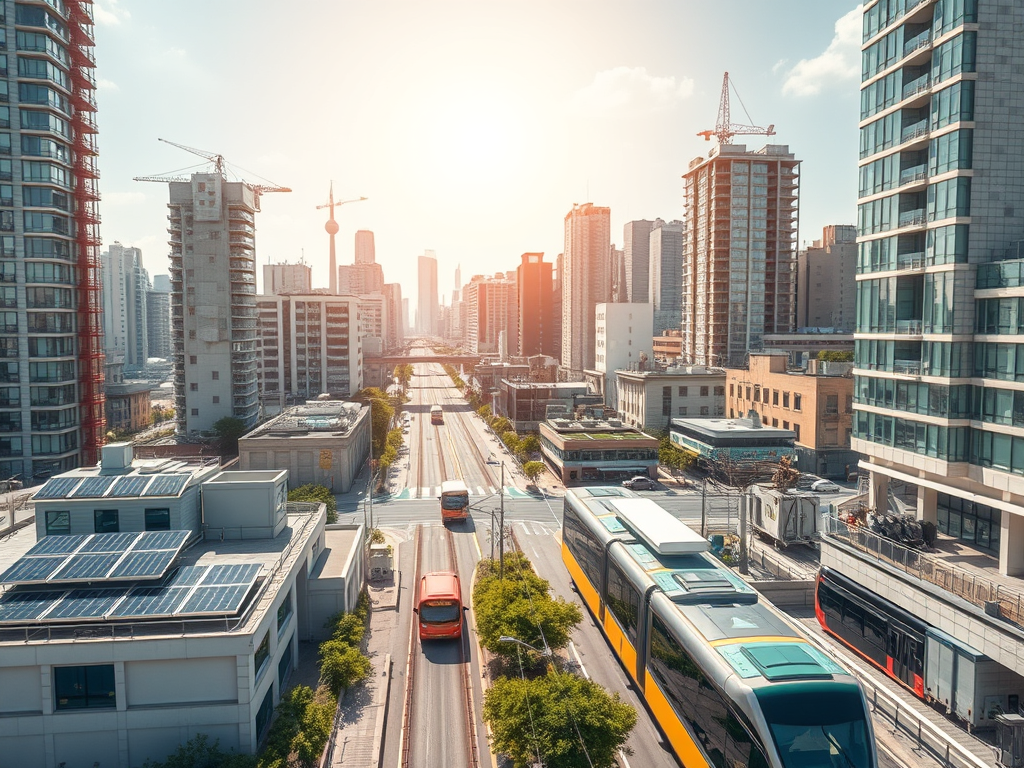
.
As global populations centralize, cities stand at the nexus of energy demand and climate resilience. True energy optimization is no longer about incremental efficiency gains; it’s about implementing systemic, integrated solutions that leverage technology, policy, and design. For any city aiming for true sustainability and strategic resilience, the focus must shift to these three critical pillars.
1. The Power of Integrated Infrastructure (The Supply Side)
Optimizing urban energy begins with how power is generated and distributed. Traditional centralized systems are inherently inefficient and fragile.
- Decentralized Energy Production (DER): Move toward microgrids and local power generation. By integrating rooftop solar, localized wind, and small-scale geothermal directly into neighborhoods, cities drastically reduce transmission losses and enhance grid resilience. This strategy ensures critical services can operate even if the main grid fails.
- Smart Grid Technology: Implement two-way communication across the electrical network. Smart meters and sensors allow utilities to predict peak demand, dynamically balance loads, and seamlessly integrate renewable energy sources. This results in fewer outages and optimized energy purchases.
- Thermal Energy Networks: Utilize technologies like district heating and cooling systems powered by renewable sources (e.g., waste heat, geothermal). This centralized approach is significantly more efficient than individual building boilers and air conditioners, especially in dense urban cores.
2. Behavior and Design Synergy (The Demand Side)
Energy efficiency must be designed into the urban fabric, not merely bolted on afterward. This involves both intelligent policy and civil engineering excellence.
- Building Energy Performance Standards (BEPS): Cities must establish and enforce strict building codes requiring high thermal performance, smart material selection, and mandatory integration of energy management systems in new construction. For existing structures, deep energy retrofits must be prioritized and incentivized.
- Intelligent Transit and Mobility: A city’s transportation network is a major energy consumer. Optimization means shifting away from individual combustion vehicles.
- Prioritize investment in high-capacity public transit (rail, dedicated bus lanes) and electrification of municipal fleets.
- Use smart traffic management systems to reduce congestion, which minimizes vehicle idling time and fuel waste.
- Waste-to-Energy (WtE) Solutions: View municipal waste not as a liability, but as a resource. Modern WtE plants can convert non-recyclable refuse into reliable heat and electricity, offering a dual benefit of waste management and power generation.
3. Ethical and Strategic Implementation
The best technologies fail without clear vision and ethical governance. For successful optimization, cities must focus on the following:
- Data-Driven Policy: Use data generated by smart meters and sensors to inform infrastructure investment and policy. Targeted analysis of high-consumption zones allows for precision intervention, leading to greater ROI on energy projects.
- Strategic Public-Private Partnerships: Successful large-scale projects, like microgrid development or district cooling, often require the capital and agility of the private sector. Governments should act as the strategic facilitator, setting the standards and ensuring equitable access.
- The Resilience Imperative: View energy optimization through the lens of urban resilience. A distributed, intelligent, and efficient energy system is fundamentally more resilient to climate events, physical attacks, and large-scale failures—a crucial strategic advantage. This aligns with the principle of building lasting, robust structures that serve humanity well.
The Path Forward
Optimizing energy use in cities requires the integration of civil engineering expertise, advanced technology, and decisive governance. By focusing on decentralized supply, design-driven demand reduction, and strategic, data-informed implementation, urban centers can achieve dramatic energy savings, lower emissions, and secure a more resilient future.

Leave a Reply